September 24, 2026
What Happens During a Septic Inspection? A Checklist for Idaho Homebuyers and Sellers
Buying or selling a home in Idaho comes with plenty of inspections, paperwork, and decisions. If the property relies on a septic system, a septic inspection is another important item to add to the list.
Quick Answer: What Happens During a Septic Inspection?
During a septic inspection, a professional evaluates the septic system to determine its condition and identify signs of damage, backups, or other problems.
Depending on the system and type of inspection, this may include checking the tank, inspecting components, evaluating wastewater flow, looking for cracks or damage, and examining the drain field.
Below is a septic inspection checklist for homebuyers and sellers. A septic inspector may look for:
- Locate the septic tank and system components
- Check the septic tank's condition
- Look for cracks, leaks, or structural damage
- Evaluate sludge and scum levels
- Check for signs that the tank needs pumping
- Inspect accessible pipes and components
- Look for clogged or damaged septic lines
- Evaluate wastewater flow
- Check the drain field for warning signs
- Look for sewage leaks or contamination
- Identify visible signs of previous backups
- Recommend pumping, maintenance, or repairs when necessary
The exact inspection process can vary based on the property, septic system, accessibility, and reason for the inspection.
For Idaho homebuyers, an inspection can provide valuable information about a property's septic system before purchase. For sellers, it can uncover issues that may need attention before closing.
The Septic Tank Inspection Process
When you arrange for a septic tank inspection, you can expect for the following steps to be included.
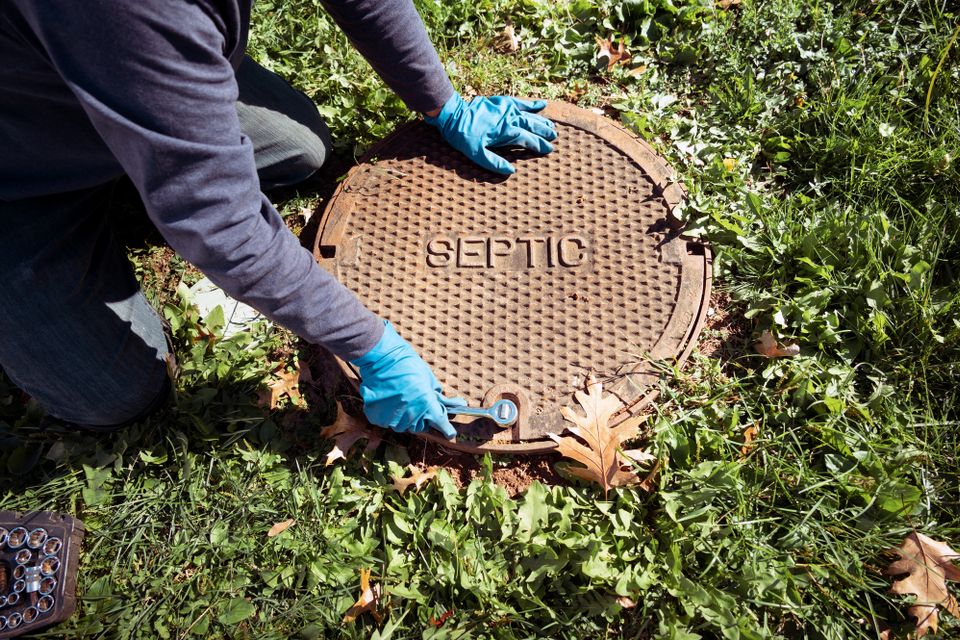
1. Locating and Accessing the Septic Tank
The first step is determining where the septic tank and other system components are located.This may be simple when the homeowner has septic records or knows the tank's location. On other properties, particularly older homes, finding and accessing the tank can require additional work.
Once the system is located and accessible, the septic professional can begin evaluating its condition.
2. Checking the Septic Tank
The septic tank itself is one of the most important parts of an inspection.A professional may check for signs of cracks, leaks, deterioration, or other structural problems. The inspector can also evaluate the amount of sludge and scum that has accumulated inside the tank.
These levels can provide useful information about whether the tank needs to be pumped and how well it has been maintained.
A tank that has gone too long without septic pumping may contain excessive solids. Regular pumping helps prevent those solids from causing problems elsewhere in the septic system.
3. Inspecting Septic Lines and Components
A septic system includes more than the tank. Wastewater must travel from the home through pipes before entering the tank and eventually reaching the drain field.During an inspection, accessible lines and components may be checked for signs of:
- Clogs
- Damage
- Leaks
- Poor wastewater flow
- Deterioration
- Previous backups
A problem with a line can affect how the entire system performs, even when the septic tank itself is in good condition.
4. Evaluating the Drain Field
The drain field, sometimes called a leach field, plays an essential role in treating and dispersing wastewater.An inspector may examine the area around the drain field for signs that wastewater isn't moving through the system properly.
Potential warning signs can include standing water, unusually soggy soil, sewage odors, or unusually lush vegetation over part of the system.
Drain field problems are especially important to identify during a real estate transaction because repairs can be more involved than routine septic maintenance.
5. Looking for Leaks and Contamination
A properly functioning septic system should contain and safely process household wastewater.An inspection can help identify signs of leaking wastewater or potential contamination around the system. These problems shouldn't be ignored, as they can indicate that a septic system needs professional attention.
Finding issues before a home changes ownership gives buyers and sellers an opportunity to understand what may need repair or maintenance.
Does a Septic Tank Need to Be Pumped Before an Inspection?
Not necessarily. Whether a septic tank should be pumped depends on the type of inspection, the tank's condition, and when it was last serviced.In some situations, pumping may be recommended as part of the inspection or maintenance process. Pumping removes accumulated sludge and scum and can provide better access to certain areas of the tank.
If you're scheduling an inspection for a home sale, ask your septic professional whether the septic tank should be pumped before, during, or after the inspection.
How Long Does a Septic Inspection Take?
The time required for a septic inspection varies from property to property.Factors that can affect inspection time include:
- How easily the septic tank can be located
- Accessibility of the tank
- Type and size of the septic system
- Condition of the system
- Whether additional testing is necessary
- Whether pumping is also being performed
Rather than focusing on a specific number of minutes, homeowners should allow enough time for the septic professional to thoroughly evaluate accessible portions of the system.
Who Schedules the Septic Inspection During a Home Sale?
Who schedules and pays for a septic inspection depends on the purchase agreement and the circumstances of the sale.A buyer may request an inspection as part of their due diligence, while a seller may choose to have the septic system inspected before listing the property. Real estate agents may also help coordinate inspections as part of the transaction.
If you're unsure who is responsible, review the terms of your real estate agreement and discuss the inspection with your agent.
Why Septic Inspections Matter for Idaho Homebuyers
If you're buying a home with a septic system, don't assume everything is working properly just because the plumbing looks normal.A septic problem can remain hidden underground until symptoms become severe. Having the system professionally inspected can give you more information about its current condition and potential maintenance needs before you complete the purchase.
This can be especially helpful when buying an older property or a home without clear septic maintenance records.
Why Idaho Home Sellers Should Consider an Inspection
Sellers can benefit from knowing the condition of their septic system, too.Discovering a problem before listing or early in the selling process may give you more time to address pumping, maintenance, or repair needs. It can also reduce the chance of an unexpected septic issue delaying the transaction later.
If you don't remember when your tank was last pumped or inspected, scheduling professional service can be a good place to start.
Schedule a Septic Inspection With Bill's Sewer & Drain
Whether you're buying, selling, or simply keeping up with routine maintenance, a professional septic inspection can help you better understand your system's condition.Bill's Sewer & Drain provides septic inspection, septic pumping, and related septic services for homeowners throughout the Twin Falls area. If you're preparing for a real estate transaction or aren't sure when your septic system was last inspected, contact Bill's Sewer & Drain to schedule service and ensure you know what's happening beneath the surface.
No After Hours or Emergency Fees!

We are available 24 hours a day, 7 days a week
for septic tank pumping and cleaning services
If you have a toilet backing up, clogged sewer line, sewer water backing up into your tub, give us a call at (208) 733-2607 or contact us online.
Twin Falls (208) 733-2607
Burley (208) 678-5672
Wood River Valley (208) 578-9196
Jerome (208) 324-4905
Buhl (208) 543-4151
Burley (208) 678-5672
Wood River Valley (208) 578-9196
Jerome (208) 324-4905
Buhl (208) 543-4151