How to Prevent Drainfield Flooding in Twin Falls This Spring
Spring rain and snowmelt in the Magic Valley can quickly saturate the soil around your septic system. When the ground holds too much water, your drainfield struggles to process household waste, leading to slow drains or backups.By redirecting runoff and managing water usage now, you can protect your septic system from costly seasonal damage.
What Is a Septic Drainfield and How Does It Work?
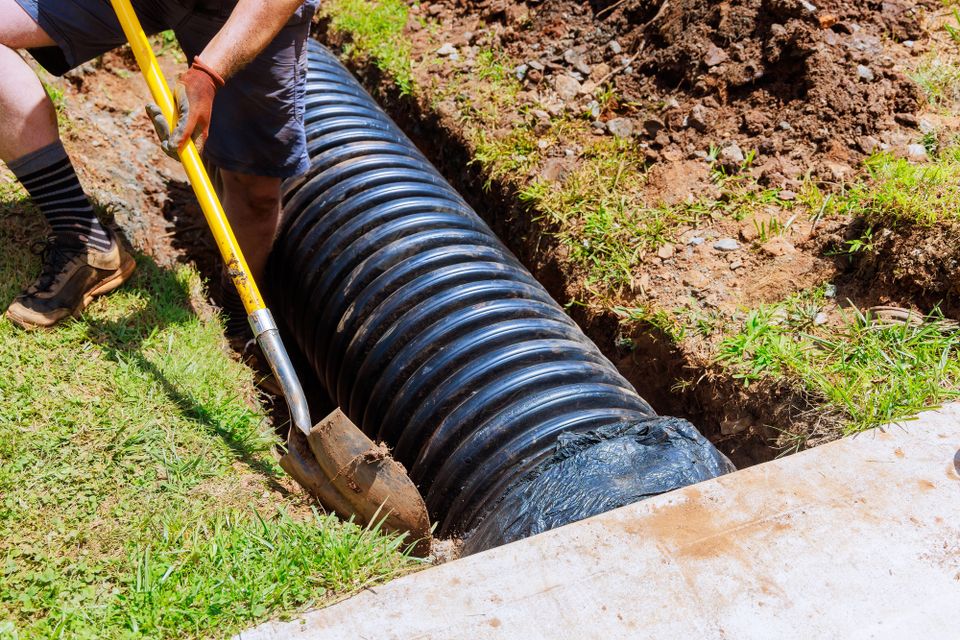
A septic drainfield is a series of perforated pipes buried in gravel-filled trenches. Its job is to safely distribute and filter wastewater into the surrounding soil. For this to work, the soil must be unsaturated so it can absorb and treat the liquid. In Twin Falls, spring storms often fill those soil gaps with rainwater, leaving nowhere for your household waste to go.
How Spring Soil Saturation Affects Your Drainfield
Heavy rain and melting snow saturate the ground from the surface down. At the same time, spring storms cause the water table to rise from below. These two forces “sandwich” your drainfield, limiting its capacity. When you add heavy indoor water use from spring cleaning or extra laundry, the system can quickly become overwhelmed.While you can’t control the rain falling from the sky or the groundwater rising from below, you can control how much extra pressure you place on your system. Think of your drainfield like a bucket that is already 90% full from the spring thaw; adding even a little more can cause it to overflow. Managing your property’s runoff is the most effective way to keep that “bucket” from tipping over.
Smart Habits to Reduce Septic Stress This Spring
Reducing the load on your system gives the soil more time to recover between storms. Many homeowners make the mistake of doing all their laundry on a single marathon Saturday. This sends a massive surge of water into the drainfield all at once. Instead, try spacing out your laundry loads throughout the week.Additionally, now is the time to check your home for silent water leaks. A leaking faucet or a running toilet might seem like a minor annoyance, but it can add several gallons of unnecessary liquid to your system every week. Fixing these small issues early helps reduce the overall strain on your drainfield when the ground is at its most vulnerable.
Redirect Downspouts to Protect Your Drainfield in Twin Falls
Your roof acts like a giant funnel during a storm. If your gutters dump hundreds of gallons of water directly onto your septic area, you are essentially “drowning” the system from the outside. Proper water diversion is one of the easiest and most effective ways to prevent a backup.- Extend Your Reach: Ensure downspouts discharge at least 10 to 20 feet away from the septic area.
- Use Extensions: Plastic gutter extensions or splash blocks are inexpensive ways to move water toward natural drainage slopes.
- Check Sump Pumps: Make sure your sump pump discharge line isn’t pointing toward your trenches.
How to Prevent Soil Compaction Around Your Drainfield
Soil condition plays a major role in how well your drainfield functions, especially during wet spring months. Driving or parking vehicles, placing heavy equipment, or even frequent foot traffic can compress the soil around your drainfield. When the soil becomes compacted, it loses the small spaces that allow water to move through and filter properly.
Unlike excess water, soil compaction is not easily reversed. Once the soil is packed tightly, it becomes much harder for the system to drain efficiently, regardless of the weather.
To protect your drainfield:
- Avoid parking or driving in the area
- Do not place sheds, patios, or heavy play equipment above it
- Limit foot traffic during wet conditions when the ground is more vulnerable
Keeping the soil loose and undisturbed helps your septic system continue working as it should, even during heavy spring rains.
Warning Signs of Drainfield Flooding in Twin Falls
You don’t have to wait for a backup to know there is a problem. Our team often sees early warning signs that suggest a system is struggling with the Twin Falls spring thaw. Watch for these red flags:- Soggy Patches: Standing water or mud that lingers long after the rain stops
- Lush Grass: A patch of grass over the drainfield that is much greener or taller than the rest of the yard.
- Sulfur Odors: A “rotten egg” smell near the tank or field.
- Gurgling Pipes: Slow-moving drains or strange noises when you flush the toilet.
Schedule a Professional Drainfield Assessment
Some issues aren’t visible from the surface. A professional inspection involves checking the sludge levels in your tank and evaluating how quickly the soil is absorbing the liquid. If your system struggled last winter, an Idaho spring is the best time to have a technician verify that your components are still in good working order.Prepare Your Drainfield for Spring Storms in Twin Falls
Spring storms place significant stress on septic systems, but a little preparation goes a long way. By managing your runoff and watching for early warning signs, you can keep your home running smoothly through the wettest months of the year.
Bill’s Sewer and Drain Service provides expert septic inspections and maintenance for homeowners in Twin Falls, Burley, Jerome, Hailey, Rupert, and throughout the Magic Valley. Our team is here to help you identify potential issues before they become emergencies.
If your drains are acting sluggish this spring, call (208) 733-2607 to schedule a professional assessment. We are available 24 hours a day to ensure your septic system stays reliable all year long.